
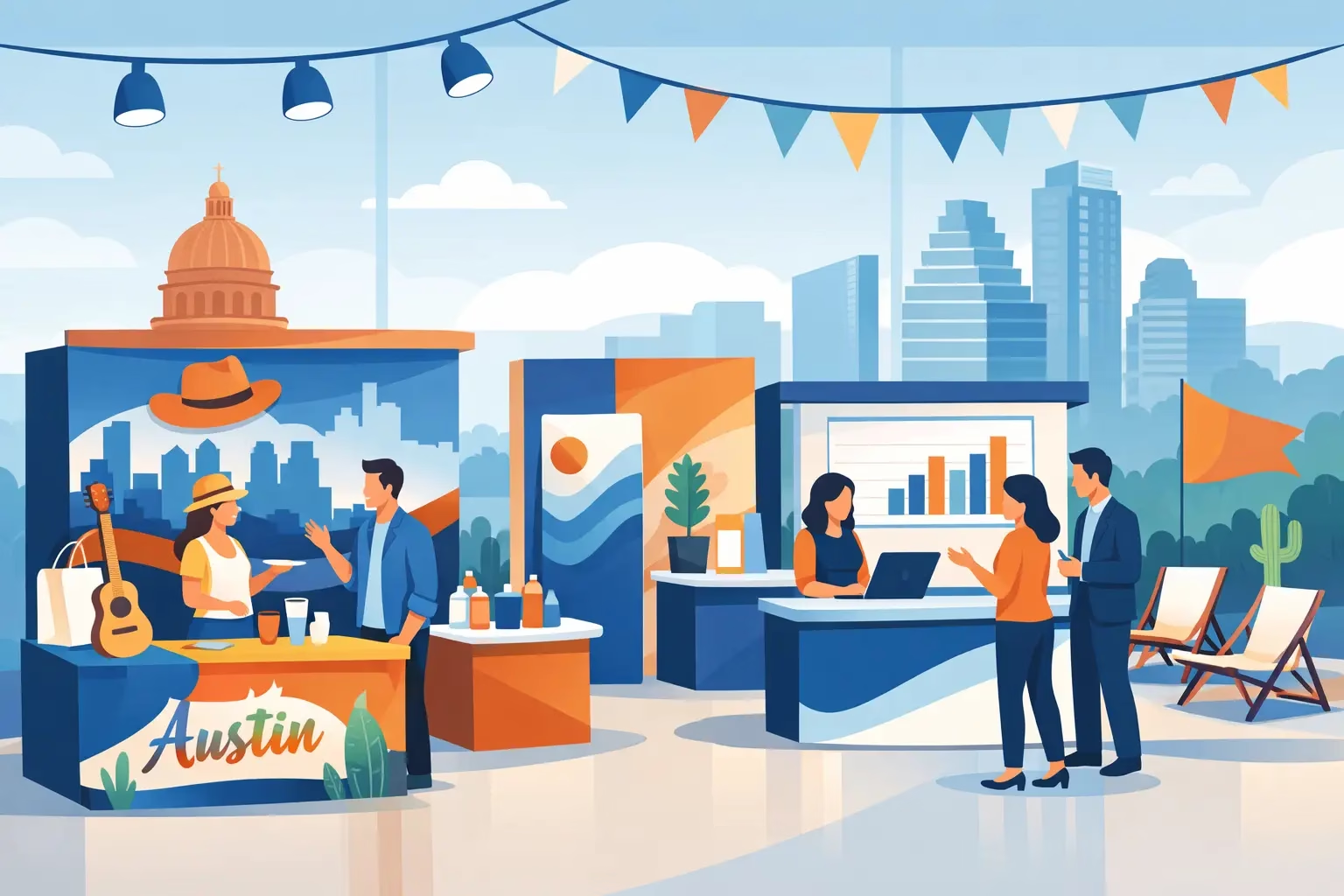
A branded booth should do more than put a logo in the corner of a photo. The right corporate event branding booth guide starts with one question: what do you want guests to remember, share, or do after the event? Whether you are planning an Austin product launch, employee appreciation party, conference, gala, or recruiting event, every booth detail should support that answer.
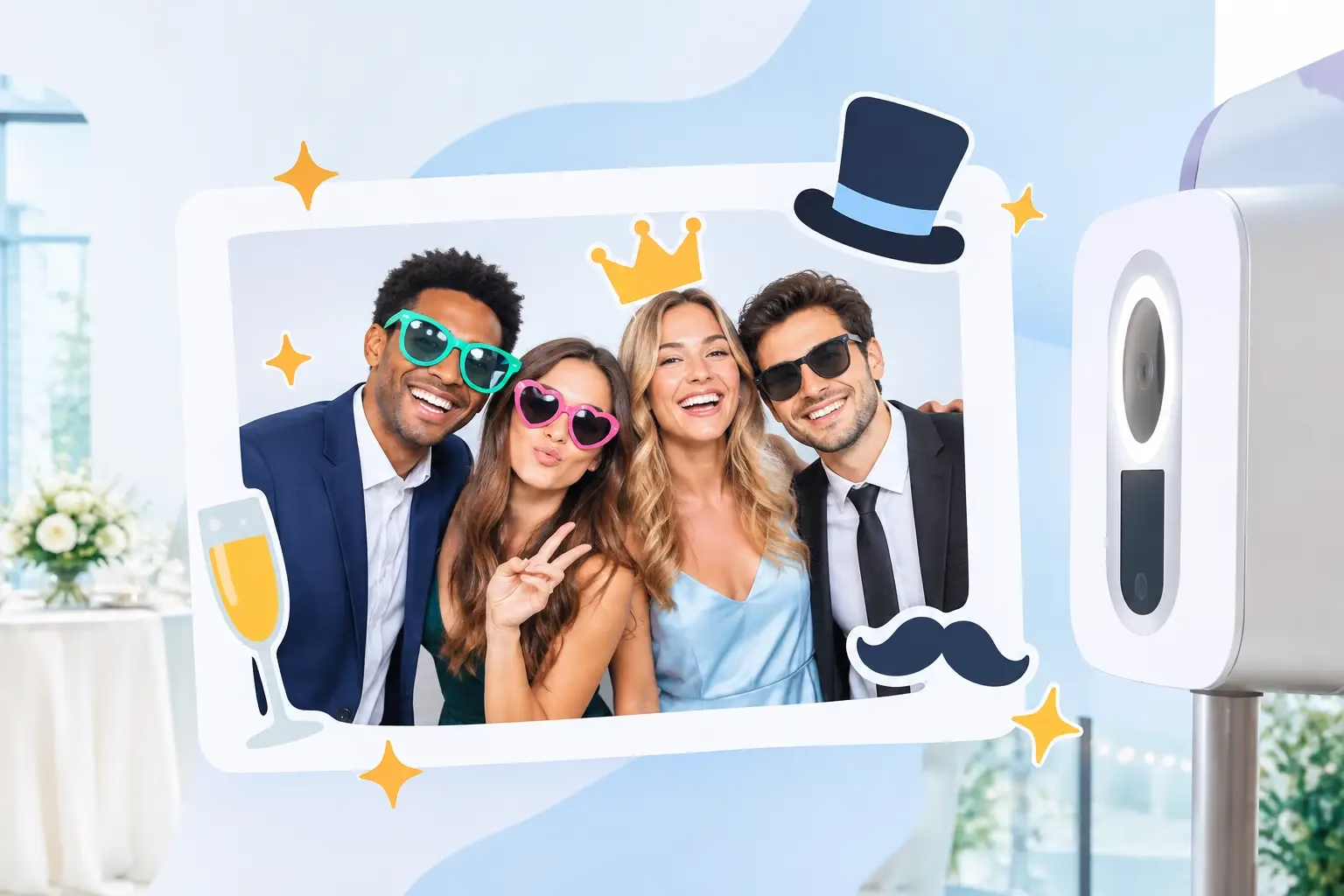
A great photo booth creates a lively destination within the room. It gives guests a reason to interact, produces content they are proud to post, and puts your brand into the memory without making the experience feel like an advertisement. That balance is where the real value lives.
Start With the Outcome, Not the Booth
Before choosing a 360 booth, interactive mirror booth, DSLR photo booth, or selfie station, define the job the activation needs to do. A conference sponsor may need high-volume, shareable content that extends beyond the ballroom. An internal celebration may be focused on participation, team pride, and printed keepsakes. A luxury awards dinner may call for an elevated experience that complements formal attire and a polished venue.
Your goal shapes the entire setup. If social reach is the priority, plan for instant digital delivery, a photo or video format that is easy to share, and a branded end screen or overlay that looks sharp on a phone. If lead generation matters, coordinate an optional data-capture flow that is clear, voluntary, and appropriate for your privacy practices. If morale is the goal, focus on a fun, low-pressure experience that gets departments mixing and laughing.
Trying to accomplish everything with one activation can water down the result. Pick the primary outcome first, then choose one secondary goal. For example, a recruiting event might prioritize candidate engagement and use shareable content as the supporting benefit.
Build a Brand Moment Guests Want to Join
Strong booth branding is recognizable in a second, even when someone sees the content outside the event. That does not mean covering every surface with logos. In fact, oversized logos, busy patterns, and too much small text can make photos feel dated or hard to share.
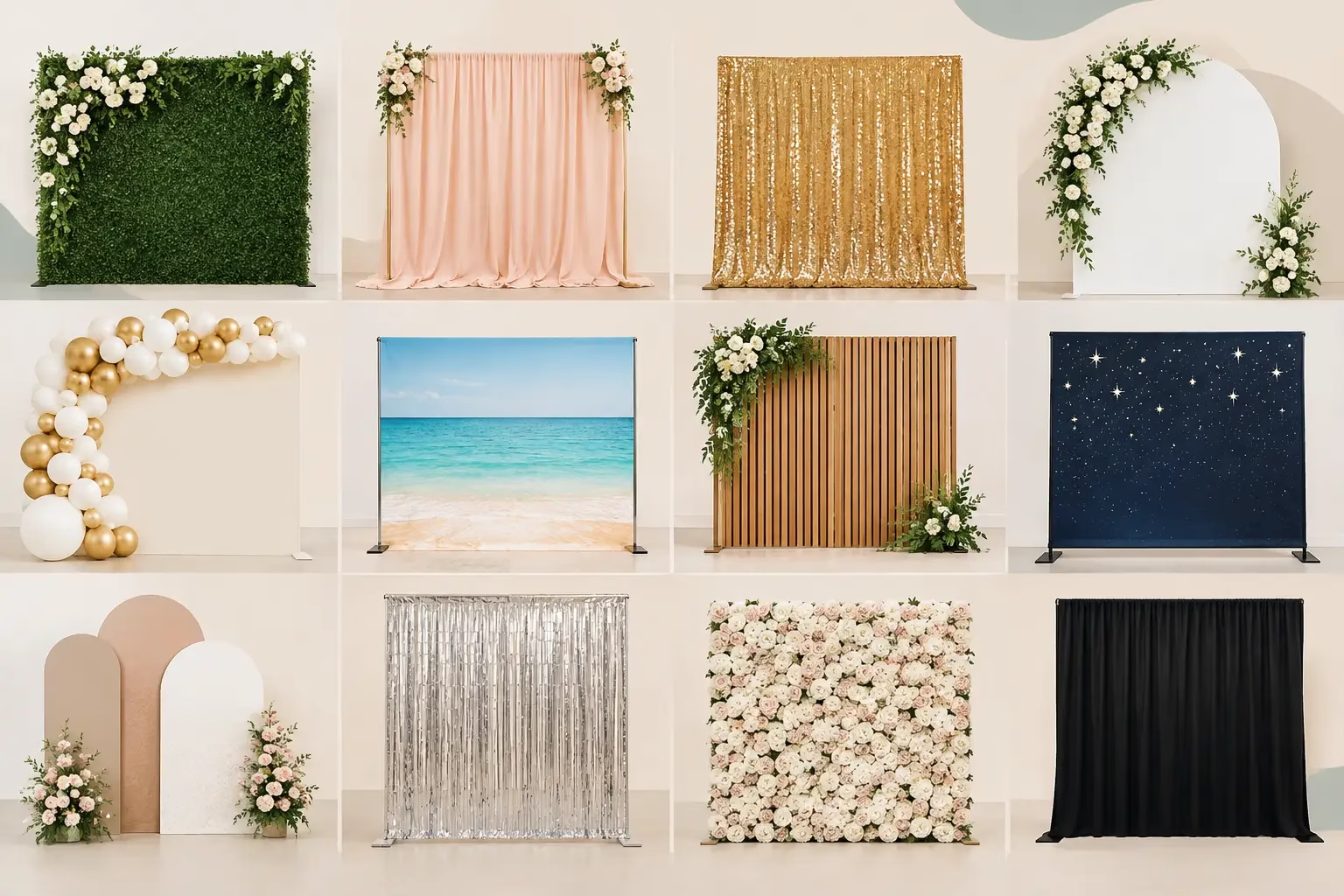
Start with your core visual ingredients: the event name, campaign message, approved logo treatment, color palette, and one visual element that gives the experience personality. That could be a custom step-and-repeat backdrop, a bold color block, a city-inspired illustration, a branded neon sign, or a clean graphic tied to the theme.
Then decide where each element belongs. A backdrop creates the largest visual impression in the photo. A screen interface guides the guest journey. The photo template, animated overlay, and sharing screen carry the branding into every digital asset. Prints can become take-home reminders that stay on office desks, refrigerators, and bulletin boards long after the party ends.
Keep the message short. Guests have only a few seconds to understand the moment and step into frame. A campaign hashtag, event name, or concise callout works better than a full marketing statement. Let the experience do the talking.
Design for Real People, Not Just a Mockup
A design may look fantastic in a presentation and still fail in a crowded ballroom. Review how it will photograph under event lighting, with guests wearing a variety of colors, and from different distances. Avoid backgrounds that are so dark they swallow detail or so reflective they create glare.
Give faces room to stand out. The most successful branded images make guests look confident, joyful, and well lit while keeping the brand clearly present in the frame. That is why professional equipment, thoughtful lighting, and a clean setup matter as much as the artwork.
Choose the Booth Format for the Guest Experience
The best format depends on your audience, event pace, available footprint, and desired content. A booth that excites a social-media-focused launch crowd may not be the right fit for a formal donor gala.
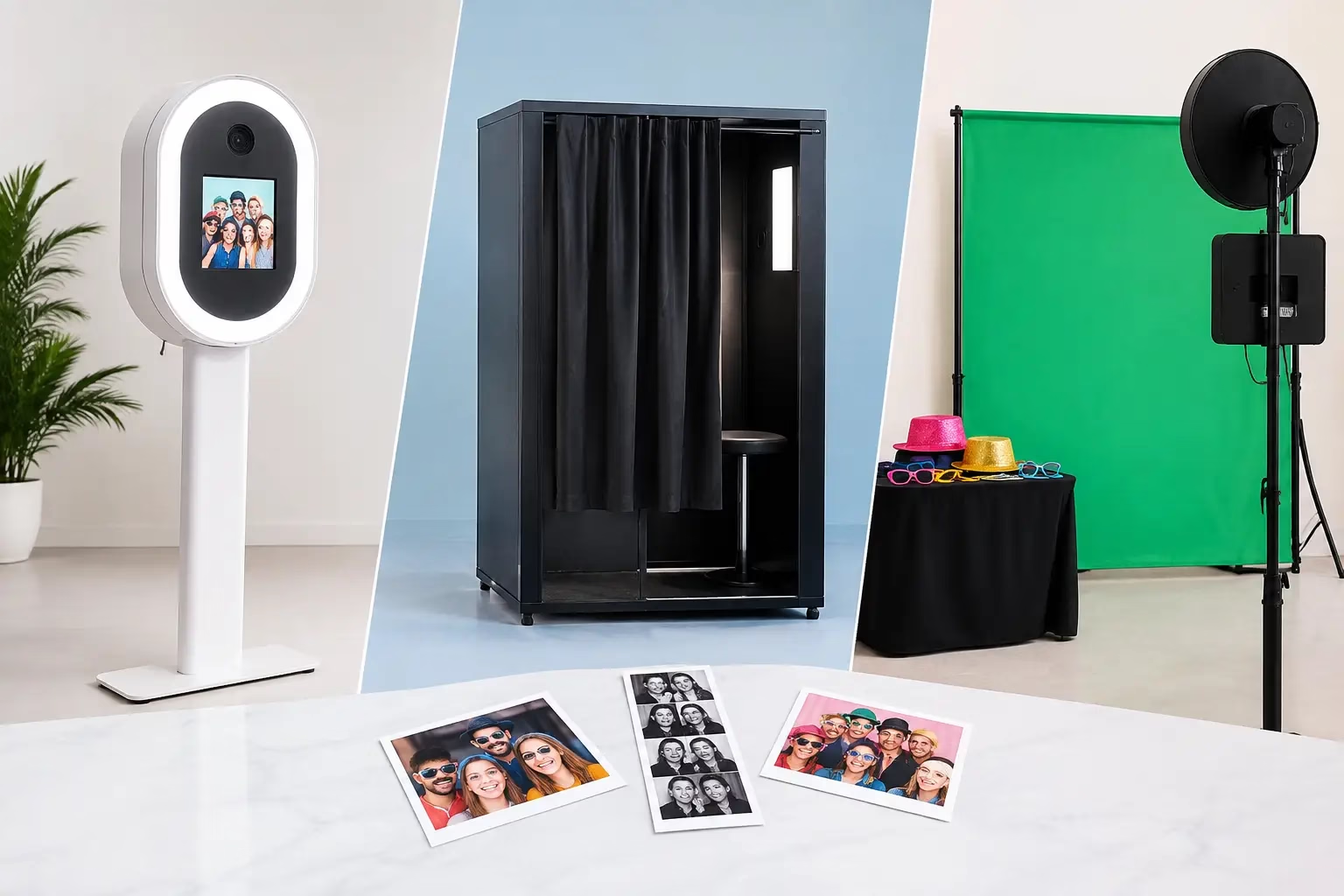
A 360 photo booth brings high energy and creates motion-driven video content. It is a strong choice for brand activations, celebrations, and events where guests are ready to perform, dance, pose, and share. It does require adequate space, thoughtful crowd management, and a location where the action will not block dinner service or a main walkway.
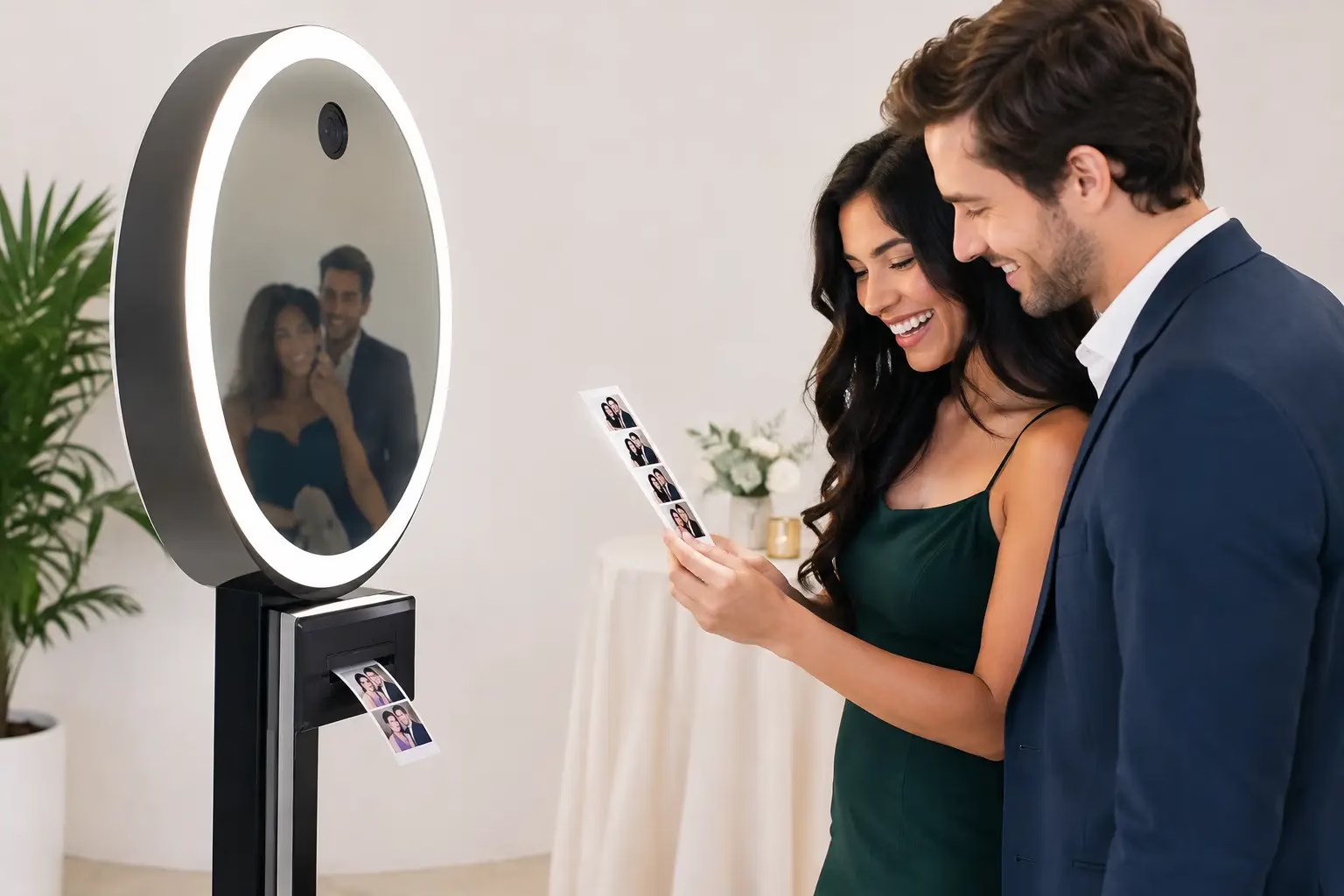
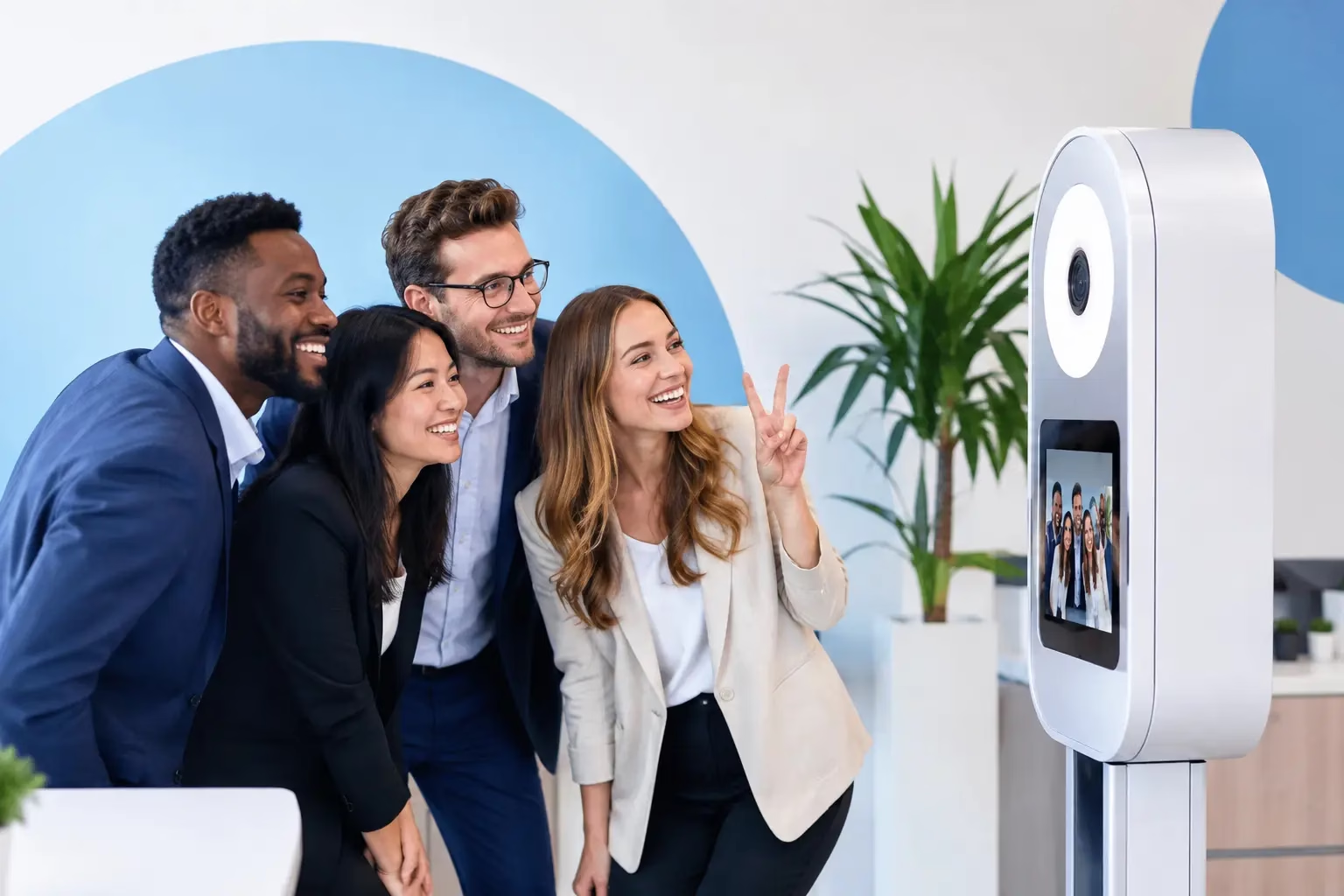
Interactive mirror booths offer a more elevated, approachable experience. Guests can see themselves, follow prompts, add signatures or drawings, and pose for high-quality photos. Mirror Me and Mirror X formats work especially well for galas, holiday parties, appreciation events, and formal corporate gatherings where print keepsakes fit the occasion.
A DSLR photo booth is a dependable choice for crisp portraits, group photos, and a classic photo booth experience with custom branding. For a more compact, fast-moving setup, a selfie station can keep engagement high in tighter venues or during open-house-style events.
There is no universally best booth. A great corporate event branding booth guide accounts for who is attending. A tech-forward team may love quick digital delivery and animated effects. A mixed-age audience may engage more readily with an intuitive, staffed booth and a print they can take home immediately.
Plan the Booth Location Like an Event Pro
Placement can make the difference between a booth that stays busy all night and one guests barely notice. Put it where people can see activity without creating a bottleneck. Near the bar, lounge, registration area, or main social zone often works well. Avoid placing it directly beside speakers, buffet lines, or a quiet program area where guests may feel awkward posing.
Think through the guest path. People need room to approach, wait briefly, pose, receive their content, and step away without colliding with other traffic. If your event includes a reveal, awards program, or keynote, the booth should be easy to pause or operate around key moments.
Venue details deserve attention early. Confirm power access, load-in routes, ceiling height for any lighting or backdrop needs, Wi-Fi conditions if digital sharing is required, and the exact setup window. A full-service provider should handle setup, operation, and teardown, but advance planning protects the experience from day-of surprises.
Make Sharing Easy and On-Brand
The post-capture moment is your brand’s opportunity to travel beyond the room. Deliver photos and videos in a format guests can access quickly, while the excitement is still fresh. A branded digital gallery also gives your team a useful collection of event memories without chasing content across individual phones.
The sharing design should feel polished but light. Use a branded email or text delivery screen, a simple opt-in path where appropriate, and file formats suited to the content. Vertical video may be ideal for a social campaign, while high-resolution photos are better for internal recaps, employer-branding posts, and future event materials.
If you collect contact information, be transparent. Explain what guests are opting into, separate marketing consent from content delivery when needed, and coordinate language with your marketing or legal team. Trust is part of the brand experience.
Give Guests a Reason to Participate
Even a beautiful booth needs an invitation. Your emcee, event host, or DJ can mention it early and again after the first major program moment. Event signage should answer the question guests are already asking: what happens here, and why should I do it?
For more participation, connect the booth to a light activity. Teams can take a department photo. Guests can choose from a few campaign-themed prompts. A conference activation can invite attendees to strike a pose that matches a brand value. Keep it simple enough that guests can join without instructions from a committee.
An on-site booth attendant is especially valuable here. They can welcome hesitant guests, keep the line moving, troubleshoot quickly, and make sure every group gets the same polished experience. That staff presence turns equipment into hospitality.
Measure What Actually Matters
Do not judge a booth activation only by how many files were created. Volume is useful, but it is not the whole story. Compare results against the outcome you set at the beginning: participation, content shares, gallery downloads, opted-in leads, employee engagement, or branded impressions.
After the event, review a few practical questions. Did the booth operate during the highest-attendance window? Did guests understand the branded message? Which format generated the most enthusiastic reactions? Did the setup fit the venue and event flow? Those answers will make the next activation stronger than the last.
Fun Fun Party helps corporate teams bring the right mix of high-quality equipment, custom event branding, unlimited sessions, optional prints, digital galleries, and professional on-site support to the celebration. The goal is not simply to rent a booth. It is to give your guests a brand moment worth stepping into.
When your booth looks great, works reliably, and makes guests feel like part of the event, the photos become more than event content. They become proof that your brand knows how to bring people together.
Leave A Comment