

A great corporate event can lose momentum the moment guests reach the cocktail hour and pull out their phones without knowing where to go next. A thoughtful corporate photo experience strategy gives them a reason to gather, create, laugh, and share – while putting your brand in the center of the action without making the event feel like an advertisement.
For marketing teams, office managers, and event planners, the goal is bigger than getting a folder of photos after the party. The right photo experience supports the event’s purpose, reflects the brand well, and gives every guest a polished takeaway. Whether you are planning a company holiday party, trade show activation, leadership retreat, product launch, or nonprofit gala in Austin, the strongest results come from planning the experience before choosing the booth.
Start Your Corporate Photo Experience Strategy With the Event Goal
A photo booth is not one-size-fits-all event entertainment. The best format depends on what success looks like for your event. If your priority is employee connection, you may want an experience that gets teams posing together and leaves them with printed keepsakes. If you are launching a product, branded digital content and social-friendly video may matter more. For a formal awards dinner, a polished backdrop and elevated portrait lighting can better match the room.
Ask one practical question: what do you want guests to do, feel, or remember? Your answer should guide the creative decisions that follow.
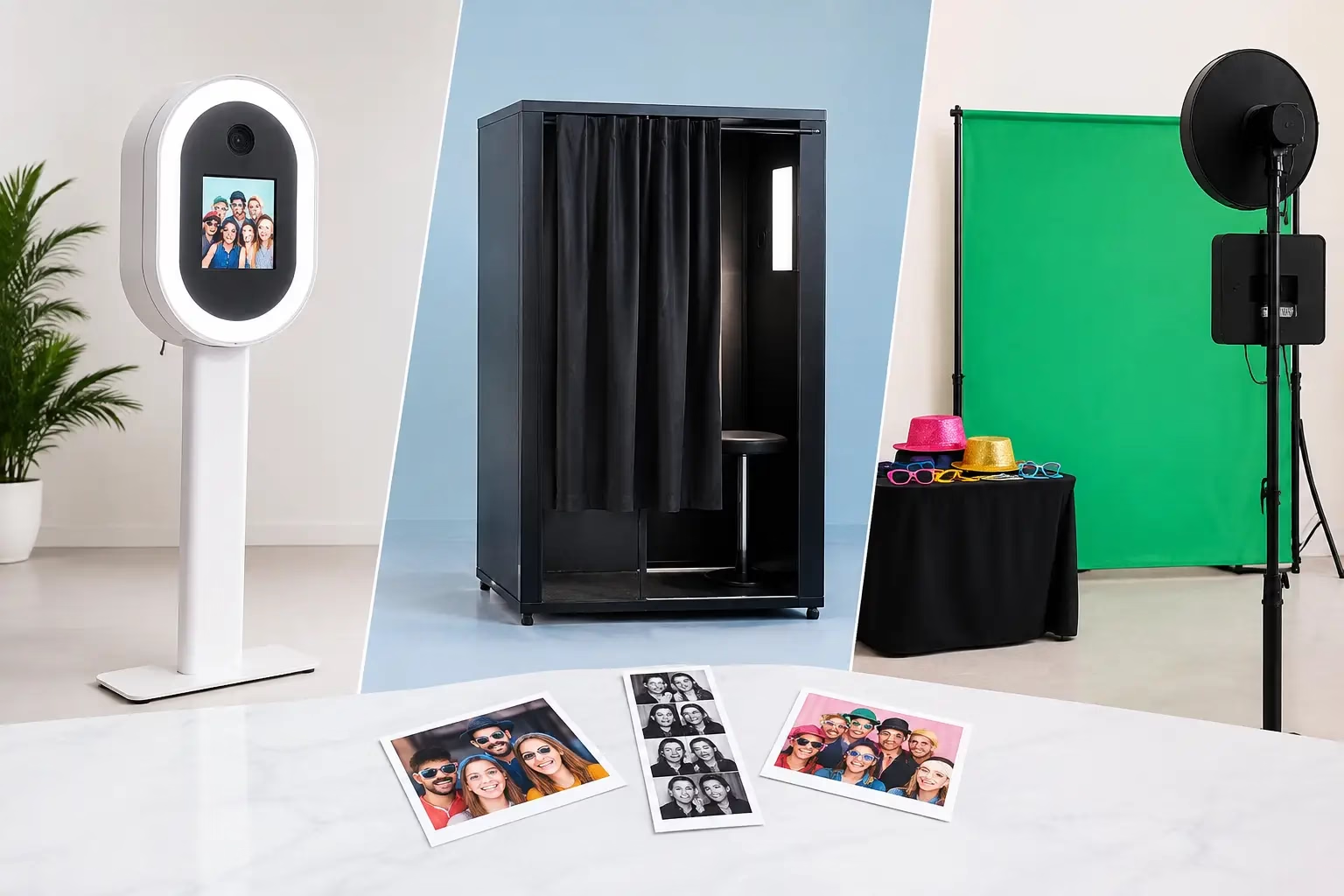
For example, a company celebration may need an approachable, high-volume station where guests can step in between conversations. A client appreciation event may call for a Mirror Me booth that feels more refined and interactive. A high-energy brand activation can benefit from a 360 photo booth, where movement creates attention and shareable video content. Each choice has a trade-off. High-energy experiences create a crowd and encourage social sharing, but they need enough space and a layout that keeps lines from blocking the event flow. Luxury-style mirror booths offer a more elevated presentation, though they work best when guests have time to enjoy the interaction.
Match the Booth Format to Your Audience
Your audience should shape the experience just as much as your event objective. A mixed group of employees, executives, clients, and partners may respond best to a familiar DSLR photo booth with a custom template and optional prints. It is easy to understand, inviting for all ages, and delivers consistently polished images.
For younger teams, recruitment events, campus activations, or social-forward brand events, selfie stations and 360 booths can create faster digital momentum. Guests are more likely to share video clips, boomerangs, GIFs, and photos when the design feels current and the sharing process is simple.
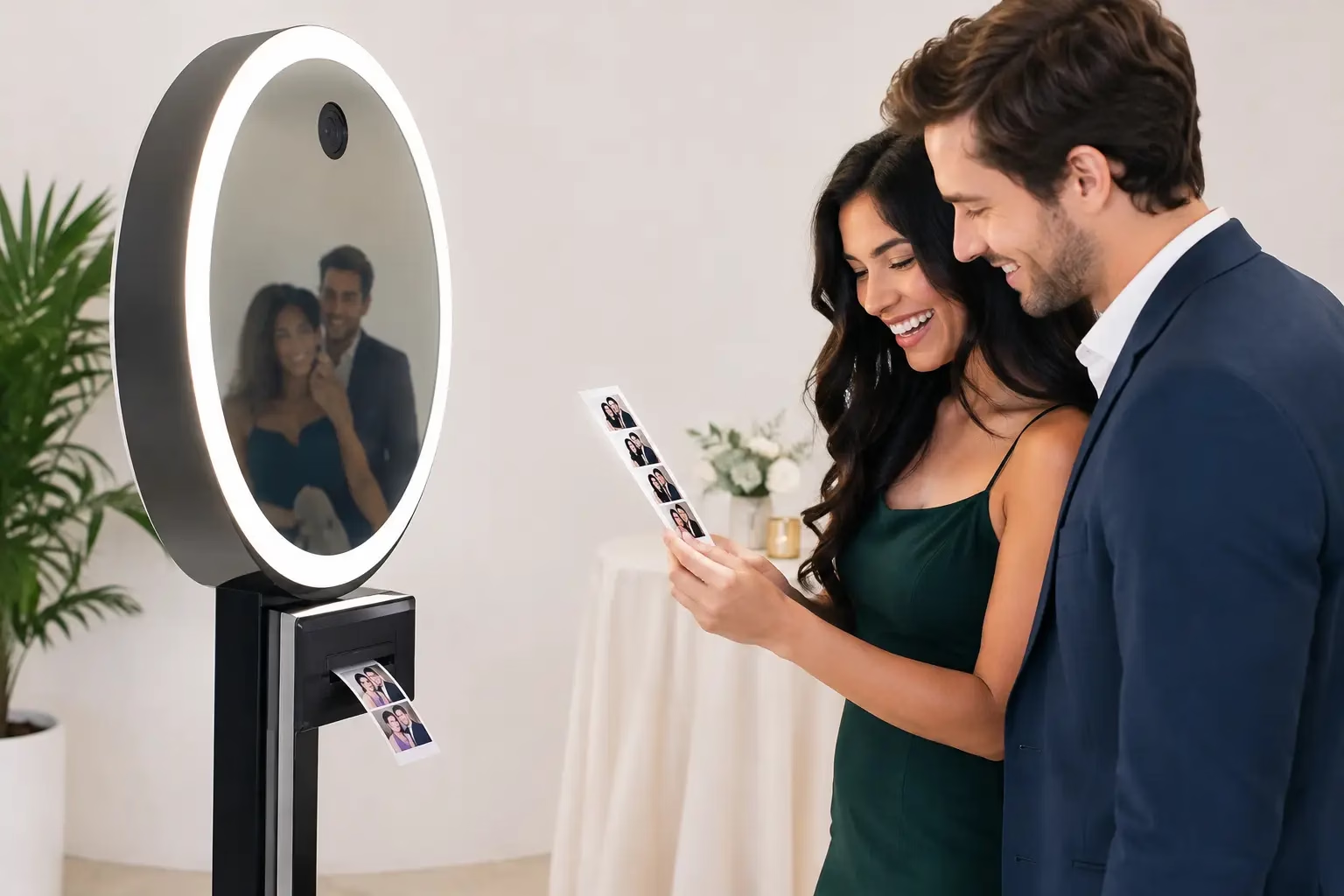
An interactive mirror booth is a smart middle ground for organizations that want a premium look without a formal portrait session. Guests can sign their images, follow on-screen prompts, and enjoy an experience that feels special without slowing down the evening. For an event centered on stories and connection, an audio phone guest book can add another layer. It captures the kind of candid messages that do not show up in a photo gallery.
The best approach is not always the flashiest option. If your audience is conservative, your event has a tight timeline, or your venue is compact, a well-branded photo booth with excellent lighting may outperform a more elaborate activation. Good strategy respects the guest experience instead of forcing a trend into the room.
Make Branding Part of the Fun
Corporate branding works when it feels like part of the event design, not a logo placed in every empty corner. Your photo template, backdrop, screen design, props, and digital gallery should share the same visual language as the invitation, stage graphics, product campaign, or company colors.
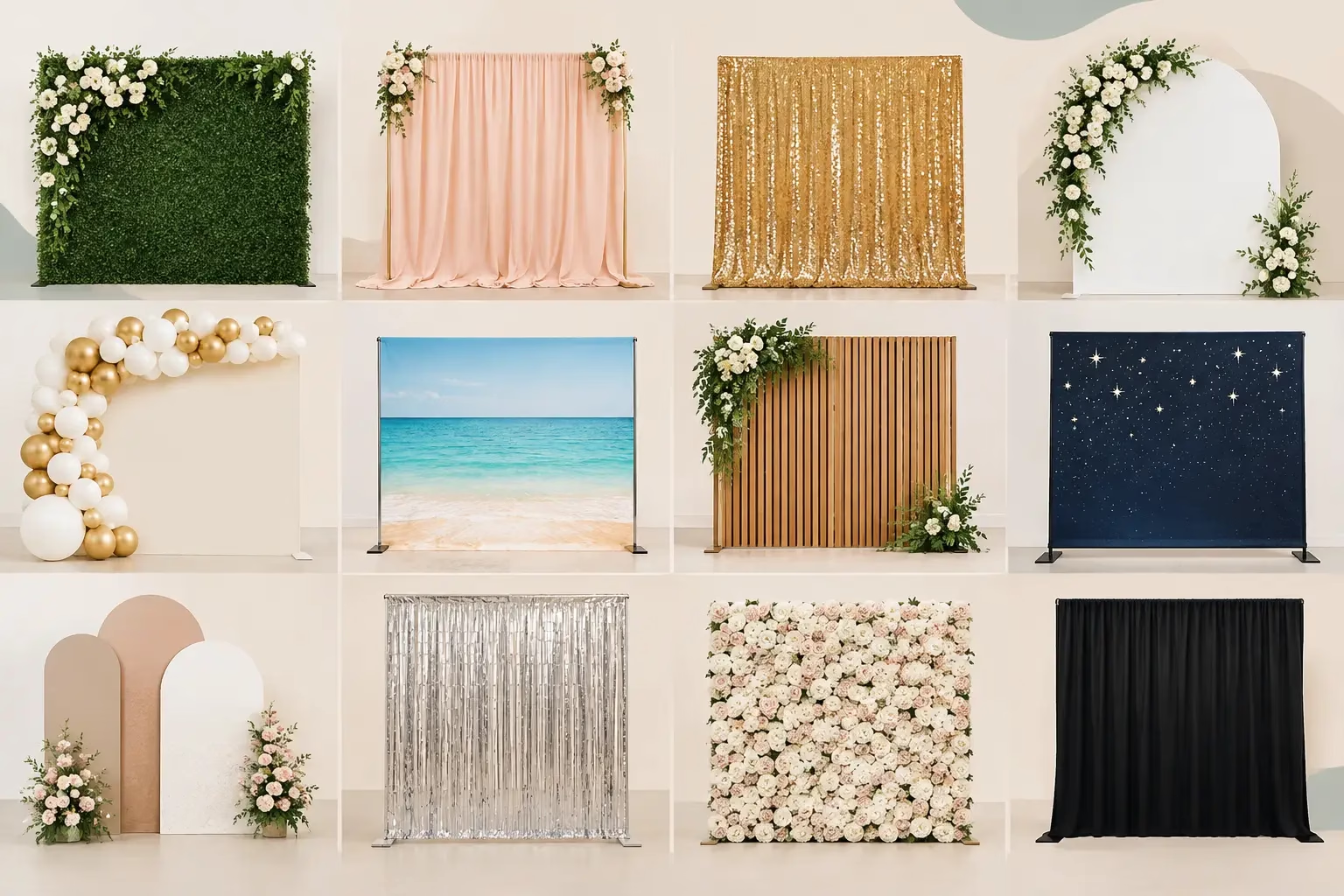
Start with the details guests will actually see in their hands and on their screens. A custom photo overlay can include the event name, date, campaign hashtag, or a subtle logo. A step-and-repeat backdrop can create a red-carpet feel for galas and media-facing events. For modern product launches, a clean branded backdrop with intentional color, texture, or signage often photographs better than a busy design.
Think carefully about how much branding is enough. A large logo may be right for a public activation where every shared post supports awareness. At an employee holiday party, lighter branding usually feels more celebratory and less corporate. The image should still look good when a guest saves it to their camera roll weeks later.
Plan the Guest Journey, Not Just the Setup
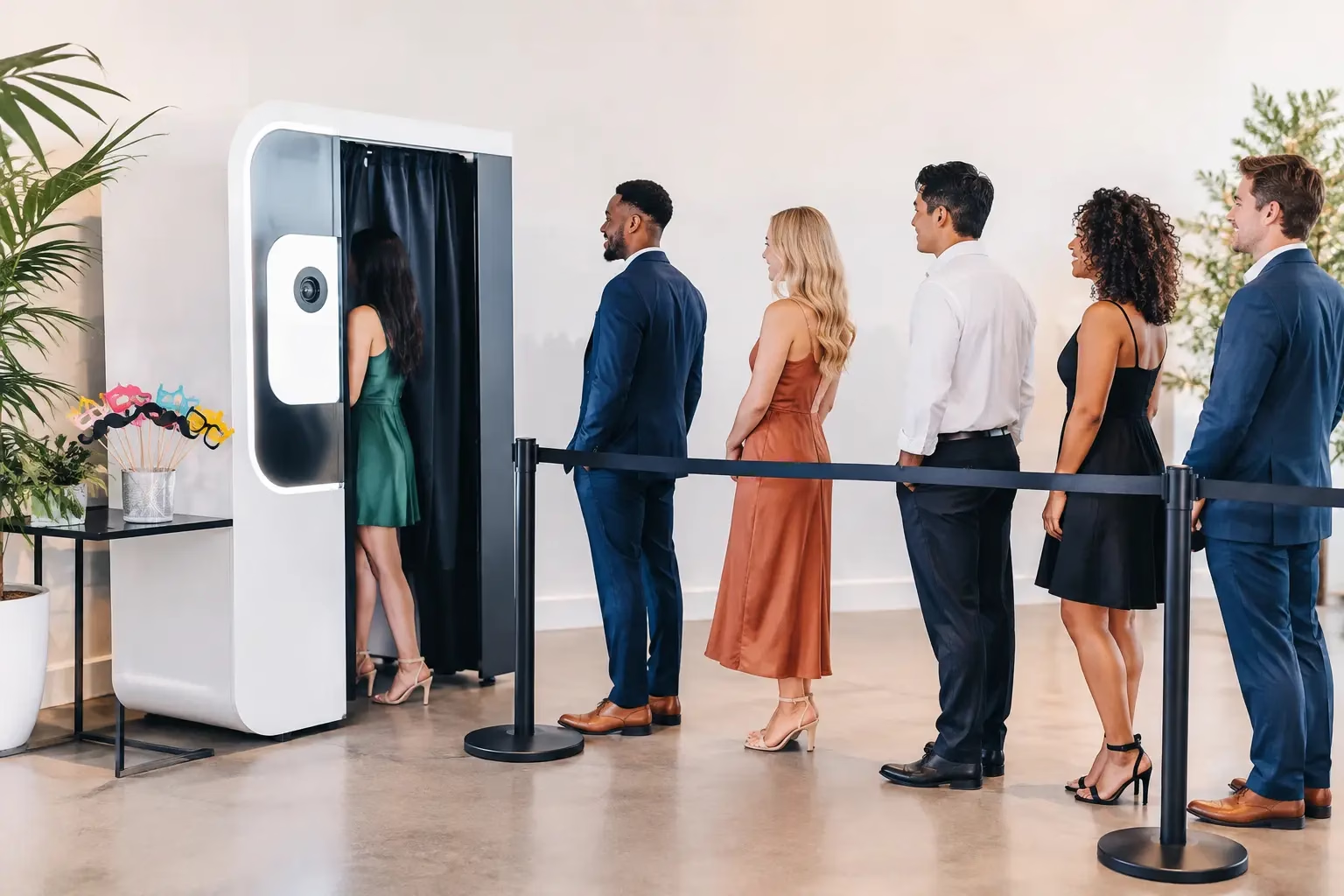
A photo experience succeeds when guests notice it, understand it, and want to participate. That starts with placement. Put the booth in a visible area with natural foot traffic, but avoid placing it directly beside loud speakers, the buffet line, or a doorway that creates congestion. Give guests room to line up, pose, and watch the fun without feeling crowded.
Timing matters too. If the booth opens before most guests arrive, it may sit quiet while people check in and find their tables. If it opens only after the program ends, guests may already be leaving. For many corporate events, the sweet spot is opening during cocktail hour and keeping the experience active through the main social portion of the evening.
A staffed photo booth makes a real difference here. An attendant can welcome hesitant guests, keep the props organized, solve small technical issues, and encourage groups to jump in. That human touch protects your event team from becoming the unofficial booth manager. Fun Fun Party provides setup, operation, and teardown so planners can stay focused on their guests instead of the equipment.
Design for Both Print and Digital Sharing
Prints still have power at corporate events. A high-quality photo strip or 4×6 print gives guests something immediate to take back to their desk, pin to a bulletin board, or bring home. It also makes the experience feel more personal, especially at appreciation events, conferences, and team celebrations.
Digital delivery expands the life of the event. Guests can receive their images quickly, while organizers gain a gallery of branded content to review after the event. If social sharing is part of the plan, make the call to action clear and realistic. A campaign hashtag can help, but it will not create participation on its own. The image needs to be flattering, the branding needs to be clean, and guests need a reason to share it.
For public-facing activations, consider how digital content will appear outside the event. Vertical video works well for mobile viewing. A bold, readable overlay helps the campaign travel with the content. For internal events, privacy may matter more than reach. In that case, a private gallery and optional sharing give guests more control.
Measure What Matters After the Event
Not every corporate photo experience needs a complicated measurement plan, but it should have one. For an internal party, participation and positive guest feedback may be enough. For a brand activation, you may care about total sessions, digital shares, lead capture, or the number of people who engaged with a product message.
Set expectations before the event. If leadership wants proof of engagement, decide what data is useful and how it will be collected. If the priority is morale, ask attendees afterward whether the experience added to the event. If the goal is content, evaluate the gallery for image quality, brand visibility, and the types of moments captured.
Numbers are helpful, but context matters. A booth with fewer sessions can still be a success if it created high-value interactions with clients or produced excellent campaign assets. On the other hand, a crowded booth does not automatically mean the branding landed. Measure the outcome tied to your actual event goal.
Give Guests a Reason to Step In
The strongest corporate photo experience strategy makes participation feel effortless and worthwhile. It brings people together, creates a moment of energy in the room, and gives your brand a place in the memory without taking over the celebration.
Choose a format that fits the audience, customize it with purpose, place it where guests can enjoy it, and trust a professional team to keep it running smoothly. When guests leave with a great photo, a shareable video, or a story they want to tell, your event keeps working long after the last guest heads home.

Leave A Comment