
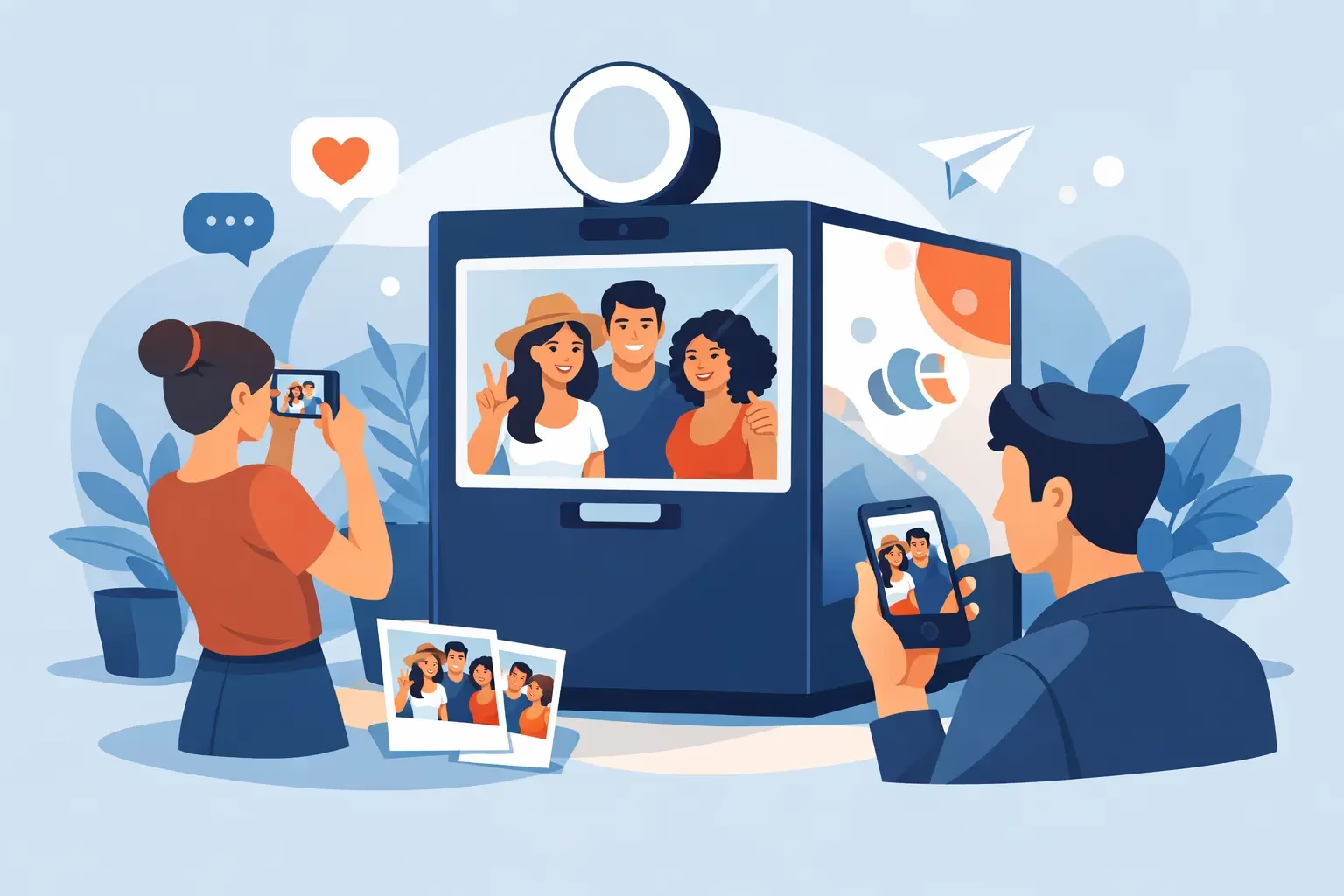
A branded photo booth activation gives guests something better than a logo wall to look at: a reason to participate. At a conference, product launch, employee celebration, campus event, or community festival, the right booth turns brand visibility into a hands-on experience people want to photograph, share, and remember. The result is real guest engagement, branded content, and a polished event moment that does not feel like an advertisement.
For marketing teams and event planners, that difference matters. A photo booth should not be parked in a corner with a generic overlay. It should fit the campaign, invite interaction, and be professionally managed so your team can focus on the event instead of troubleshooting equipment.
What Makes a Branded Photo Booth Activation Work?
A successful activation has three jobs: draw people in, make the experience easy, and leave them with content worth keeping. If any one of those pieces is missing, even a beautiful booth can feel underused.
The visual setup is the first invitation. Custom backdrops, branded templates, color-matched props, animated screens, and a clear call to action help guests understand exactly what they are stepping into. For a new product reveal, that might mean a branded step-and-repeat with a clean DSLR portrait experience. For a high-energy team event, it could mean a 360 photo booth with motion effects and music-ready video clips.
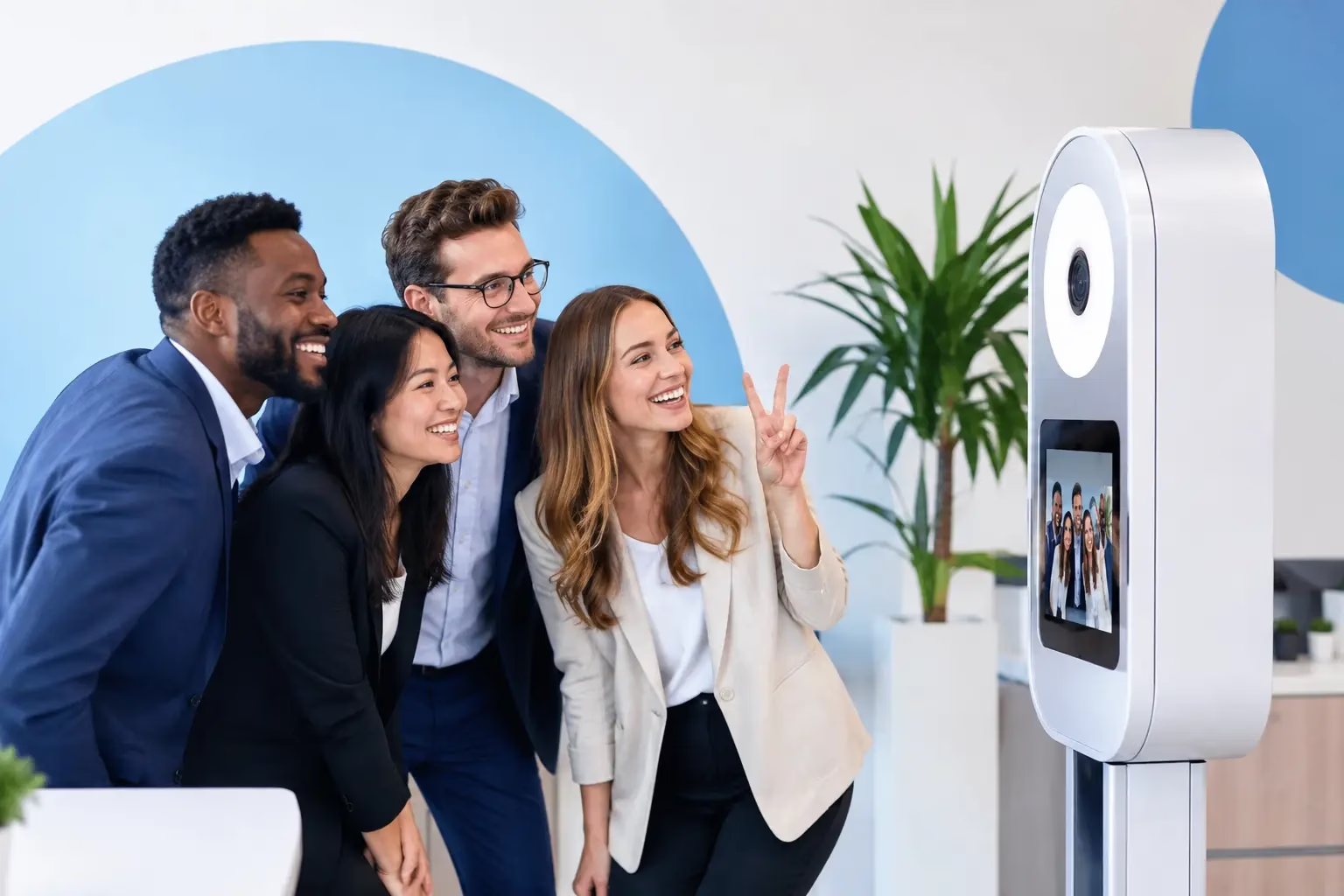
The guest experience comes next. People should be able to walk up, receive a quick welcome, pose, and get a great result without a long explanation. That is where an on-site attendant makes a measurable difference. They keep the line moving, encourage participation, help guests use the booth, and make sure the final images look as good as the branding around them.
Finally, the content has to earn a place in someone’s camera roll or feed. High-quality lighting, sharp images, flattering angles, and an attractive design are not extras. They are what make guests comfortable sharing the finished photo, GIF, Boomerang, or video after the event.
Start With the Campaign Goal, Not the Booth Type
The best photo booth format depends on what you want the activation to accomplish. A booth can support lead generation, team connection, social sharing, sponsor visibility, or a celebratory atmosphere, but one format will not always be the strongest fit for every goal.
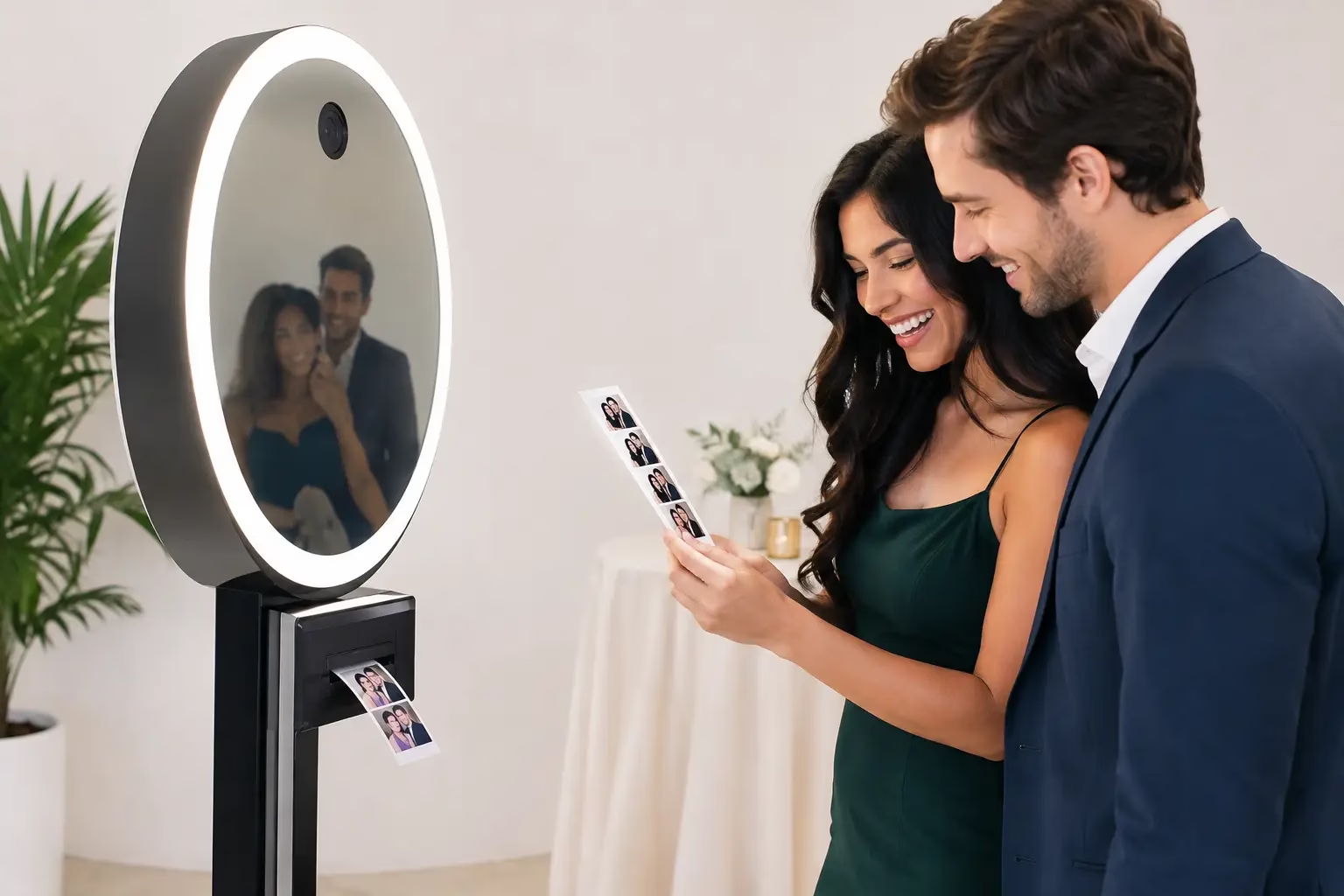
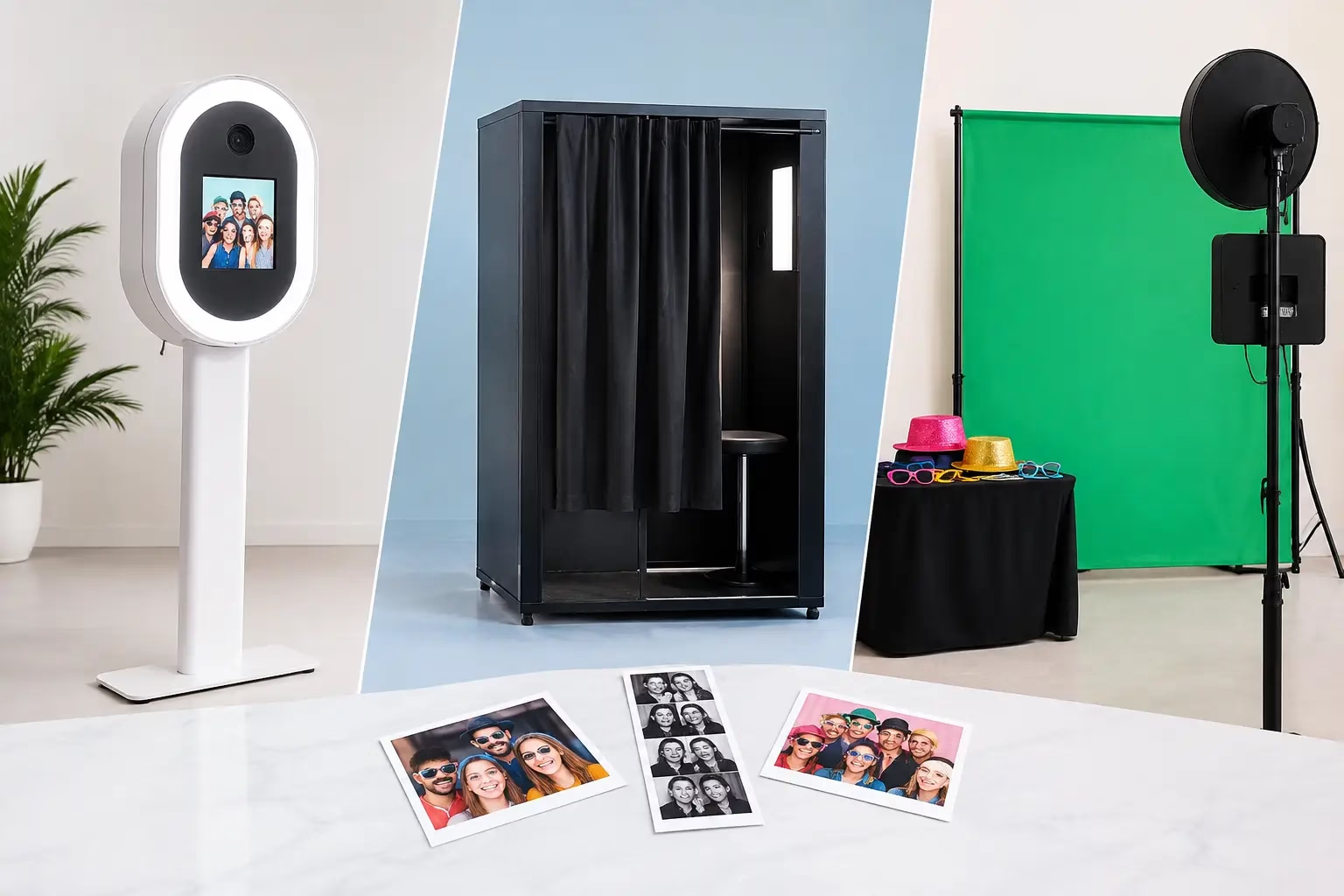
For example, a luxury mirror booth works beautifully for a formal gala, awards dinner, or sponsor reception where the experience needs to feel elevated. Its interactive display and polished presentation encourage guests to slow down, pose, and take home a print they will actually keep.
A 360 booth is built for motion and attention. It is a strong choice for product launches, nightlife events, trade show after-parties, and employee celebrations where energetic video content is the priority. Guests are not simply taking a picture. They are creating a short, branded moment that can travel quickly through social channels.
A DSLR photo booth delivers crisp, classic portraits and works especially well when image quality, prints, and a refined branded template matter most. Selfie stations are often a practical option for high-volume events, casual gatherings, and events where a smaller footprint is needed. The right decision comes down to audience, venue, event timeline, and the kind of content your brand wants guests to create.
Build Branding Into Every Guest Touchpoint
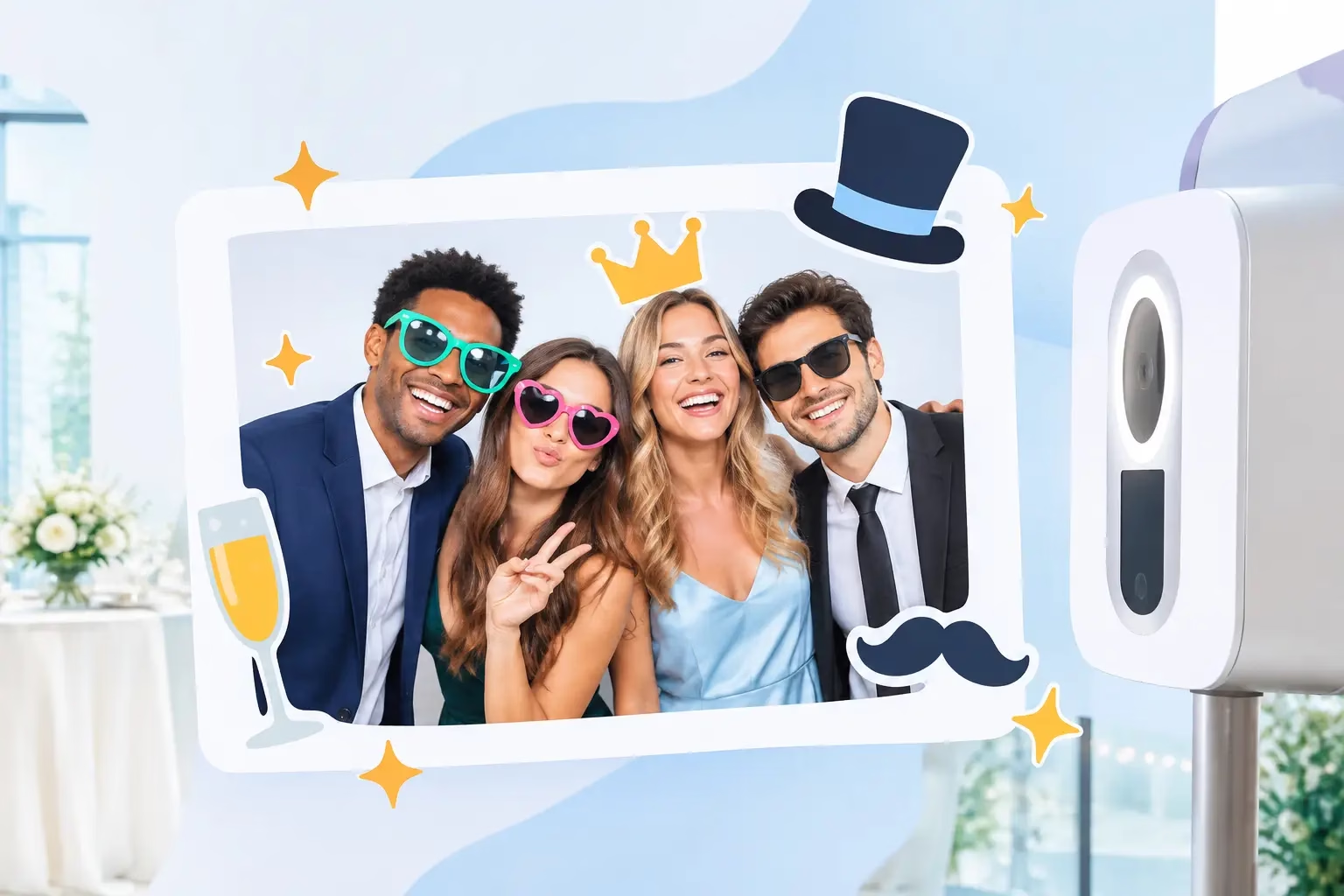
A branded photo booth activation feels intentional when the branding is present throughout the experience, not added as a small logo in the corner. Start with the photo or video template. It should use campaign colors, approved fonts, and a layout that keeps the brand visible without covering the guests themselves.
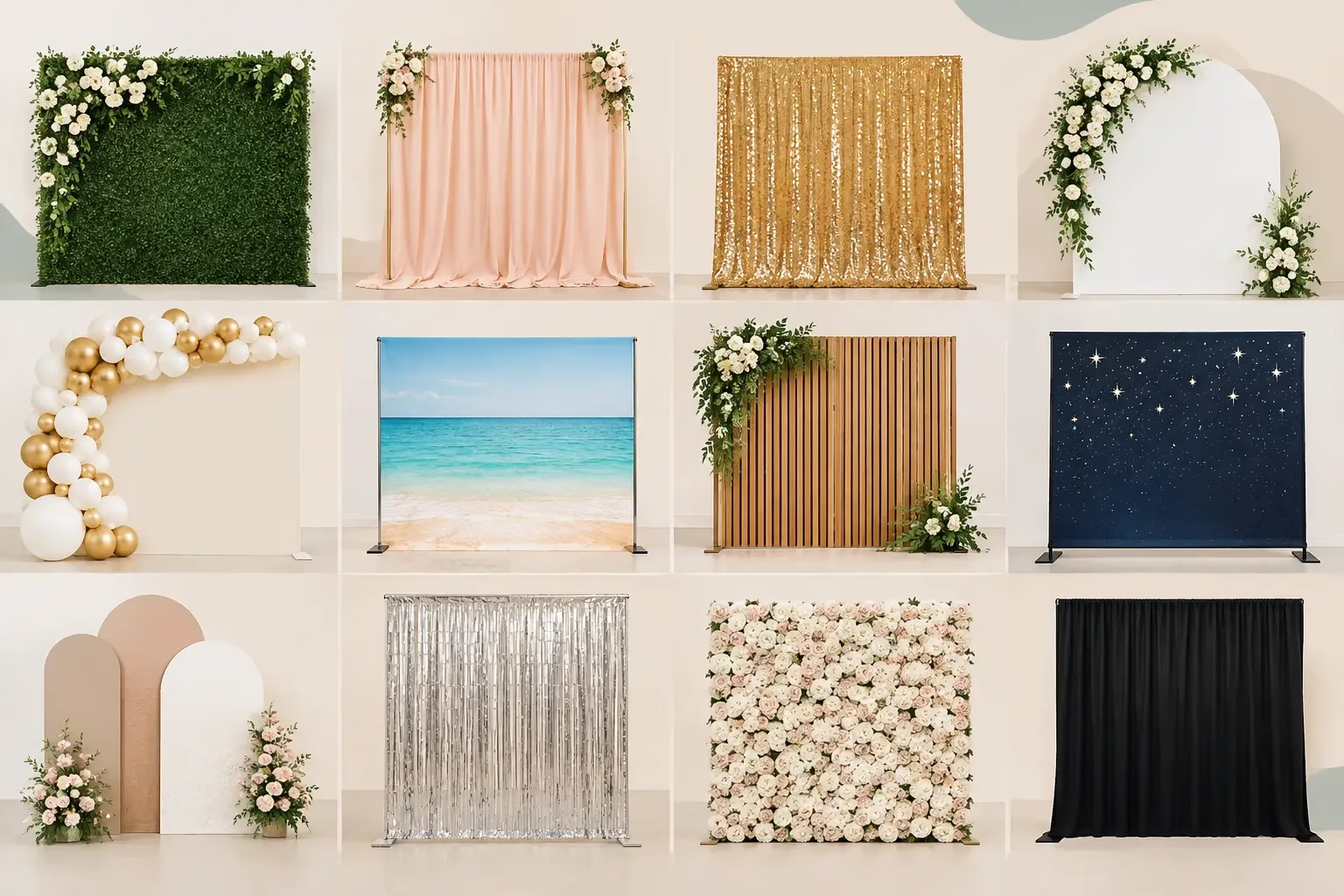
Then consider the physical environment. A custom backdrop can frame the experience, while a branded start screen, welcome message, and sharing screen reinforce the campaign in a more natural way. If prints are included, the print design becomes a take-home piece of event marketing. Unlike a flyer, it has personal value because the guest is in it.
The strongest activations also make room for a specific message. A hashtag, product name, event theme, recruiting message, or sponsor callout can give guests a simple next step. Keep it short. If someone has to read a paragraph before they understand what to post or where to go, the moment is already losing momentum.
Branding needs restraint, too. A template overloaded with logos can make a great photo feel less shareable. Let the guest be the star, then make the brand the detail that gives the image context. That balance produces content people are more likely to save and share voluntarily.
Plan for Real Event Conditions
A great activation on a mood board can still struggle if it does not account for the room. Before choosing a booth, consider the available footprint, ceiling height, access for setup, power availability, lighting conditions, and guest traffic flow. A 360 booth needs more operating space than a compact selfie station, while a mirror booth may be ideal near an entrance, cocktail area, or sponsor lounge.
Placement matters as much as the equipment. Put the booth somewhere visible enough to create curiosity but not somewhere that blocks registration, dinner service, or a main walkway. At a conference or trade show, positioning it near a sponsor zone can increase traffic. At a company party, placing it close to the action helps build excitement without competing with the stage program.
Timing is another common make-or-break factor. A booth tends to perform best during arrival, cocktail hour, open networking time, and after formal programming. If the event has a packed agenda, plan a clear activation window and promote it through signage, announcements, or your event host. Guests cannot participate in an experience they do not know is available.
Give Guests a Reason to Join In
Even the most impressive booth benefits from a simple participation hook. A themed prop collection, a giveaway entry, a group challenge, or a prompt tied to the campaign can help break the ice. At an employee event, invite teams to create their best “work hard, celebrate harder” photo. At a university event, offer a prize drawing for guests who post their branded content. At a nonprofit gala, tie each share or photo session to a sponsor-supported donation moment.
The trade-off is that complicated rules can slow the experience down. A giveaway should be easy to explain, and staff should never need to spend several minutes helping each guest complete a form. When data capture is part of the activation, ask only for information that supports a clear follow-up plan and make privacy expectations visible.
For some events, the simple joy of a great photo is enough. Weddings, quinceañeras, proms, and milestone birthdays may not need a marketing mechanic at all. In those settings, custom event branding can celebrate the date, theme, or family name while keeping the focus on guests having fun.
Measure More Than the Line at the Booth
A busy booth is a positive sign, but it is not the only measure of success. After the event, look at total sessions, prints produced, digital shares, gallery engagement, and any leads collected through the experience. These numbers can show which moments attracted participation and whether the format matched your audience.
Qualitative feedback matters too. Did guests return with friends? Did attendees mention the booth in post-event comments? Did the photos appear in social posts, recap videos, or internal communications? A branded activation is most valuable when it extends the feeling of the event beyond the room.
For repeat corporate programs, use what you learn. A format that performed well at an Austin recruiting event may need a different backdrop, footprint, or sharing strategy for a Houston trade show. Consistency in branding is useful, but copying every detail from one event to the next can miss the needs of a different audience.
Choose a Partner Who Can Run the Experience
A branded activation has many moving parts: artwork approval, equipment selection, venue coordination, setup, guest support, and post-event delivery. Working with a full-service provider means those details are handled by people who do this every weekend, not handed to an overwhelmed event coordinator on the day of the event.
Fun Fun Party helps Central Texas events pair custom branding with booth formats that fit the occasion, from polished mirror experiences and DSLR portraits to social-ready 360 videos and selfie stations. Unlimited sessions, optional prints, digital galleries, and professional attendants help make the booth feel like a complete event feature rather than another task on your production checklist.
The best branded photo booth activation leaves guests with a great image, your team with useful content, and the event with one more reason people are still talking about it on the ride home.
Leave A Comment